



How Screen Time Contributes to Dry Eye and What You Can Do About It
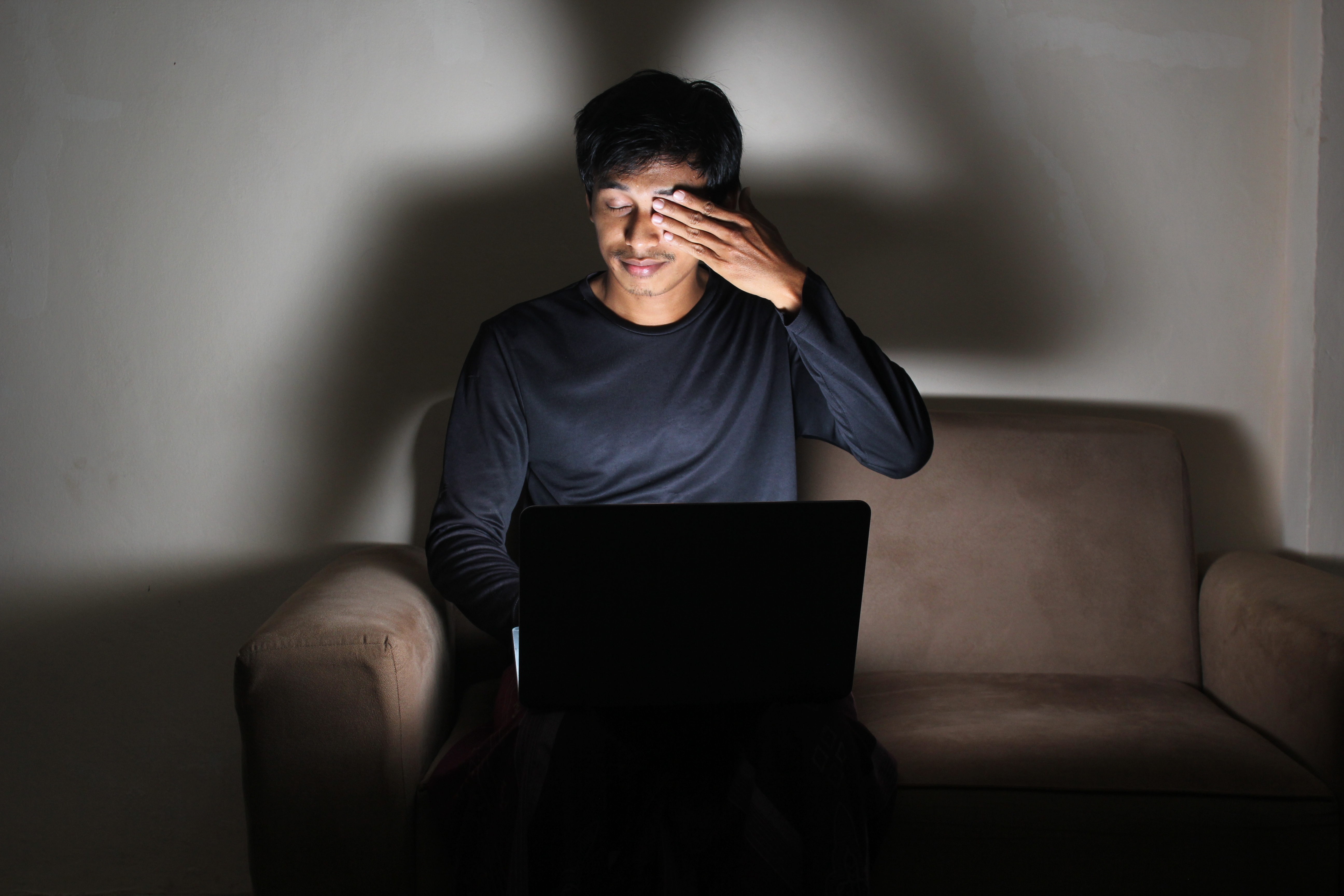
If your eyes feel dry, gritty, watery, or tired after a day on a computer or phone, screen time may be a key reason. Many patients in San Antonio experience dry eye symptoms that build throughout the day, especially during work, school, or long scrolling sessions. The good news is that a few targeted changes can reduce discomfort and help protect long-term eye health.
How Screen Time Changes Your Blink Pattern
When you concentrate on a screen, you typically blink less often and your blinks are more likely to be incomplete. Blinking spreads your tear film evenly and helps keep the front surface of the eye smooth and hydrated. With fewer complete blinks, tears evaporate faster, which can lead to burning, irritation, and vision that seems to come in and out of focus.
Why Dry Eye Often Feels Worse Later in the Day
Dry eye from screen use is often progressive - you may start the morning feeling fine, then notice symptoms increase after several hours of near work. The tear film can become unstable with ongoing screen focus, and the eyes may become more sensitive to indoor airflow, low humidity, and extended concentration. This is why many people feel the most discomfort in late afternoon or evening.
The Link Between Screens and Meibomian Gland Dysfunction
The meibomian glands along your eyelids produce oils that slow tear evaporation. When these glands are not functioning well, tears can dry out quickly, even if you produce a normal amount of watery tears. Screen-heavy habits can worsen this by reducing natural blinking and limiting how well the oils spread across the eye. Over time, some patients develop more consistent dryness, redness, and eyelid irritation.
Common Habits and Environments That Make Symptoms Worse
Screen time is often just one part of the picture. Dry eye symptoms tend to increase when digital use overlaps with other triggers, such as:
- Long periods of screen use without breaks
- Screens positioned too high, causing wider eye opening
- Air conditioning, fans, or vents blowing toward the face
- Low indoor humidity at home or in the office
- Contact lens wear during extended workdays
- Small text or detailed tasks that intensify concentration
What You Can Do to Reduce Screen-Related Dry Eye
Start with changes that support blinking and reduce evaporation. Lower your screen slightly so your eyes are not opened as wide, and practice a few slow, complete blinks each hour. Use the 20-20-20 rule - every 20 minutes, look 20 feet away for 20 seconds. If your workspace feels dry, a humidifier can help, and avoiding direct airflow toward your face may reduce irritation. Preservative-free artificial tears can also provide temporary relief during heavy screen days.
When to Schedule a Dry Eye Evaluation
If symptoms are frequent, worsening, or affecting reading, driving, or contact lens comfort, it is worth scheduling an evaluation. A dry eye assessment can help identify whether the issue is tear instability, eyelid inflammation, meibomian gland dysfunction, or another underlying factor. Personalized care is often more effective than guessing with over-the-counter products alone.
To get lasting relief from screen-related irritation, schedule a dry eye evaluation at Lookout Eyecare. Visit our office in San Antonio, Texas, or call (210) 236-7273 to schedule an appointment today.



Get in touch

Contact Info
Hours of Operation
- Monday 9:00 AM - 6:00 PM
- Tuesday 10:00 AM - 7:00 PM
- Wednesday 9:00 AM - 6:00 PM
- Thursday 9:00 AM - 6:00 PM
- Friday 9:00 AM - 4:00 PM
- Saturday Closed
- Sunday Closed
© 2026 Lookout Eyecare . All rights Reserved. Accessibility Statement - Privacy Policy - Sitemap
Powered by: